
Denver Metro, Front Range & Mountain Corridor Concrete Scanning
Clear the Concrete Before You Cut, Core, or Drill.
Independent 3rd-party GPR concrete scanning and subsurface shallow utility mapping. We pinpoint rebar, post-tension cables, and embedded conduit across elevated decks, slab-on-grade floors, and walls. Fast dispatch, clear real-time markings, and responsive service across Colorado.
Up to 24"+
Standard & Deep Penetration
0
Radiation or Site Shutdowns
1 Side
Single-Surface Access Required (Slab-on-Grade Capable)
On-Site
Real-Time Markings & 24-Hr PDF Summaries
Your Independent Jobsite Scanning Partner
Dedicated 3rd-Party Concrete Scanning
Recon GPR focuses exclusively on concrete scanning and subsurface shallow utility mapping. We work alongside general contractors, MEP subcontractors, core drillers, structural engineers, and facility managers across Colorado, delivering accurate, independent GPR data to ensure site safety and structural integrity.
Whether you need a single anchor location checked or a multi-story deck layout scanned, our process is straightforward: we review your project scope on site, interpret the radar readings using state-of-the-art GPR technology, and mark our findings clearly and directly onto the concrete. Before leaving, we walk through the markings with your team so everyone understands what was found and why it was marked.
- Colorado Local & Rapid Turnaround: Same-day and next-day dispatch across Denver, the Front Range, and I-70 mountain communities.
- On-Site Findings & Fast PDF Reporting: Clear physical marks drawn directly on the concrete, backed by formal digital PDF reports delivered within 24 hours upon request.
- Cutting-Edge GPR Equipment: High-resolution scanning technology engineered to map rebar, PT cables, embedded conduit, and sub-slab conditions accurately.
What we scan & map
Know what's in the slab
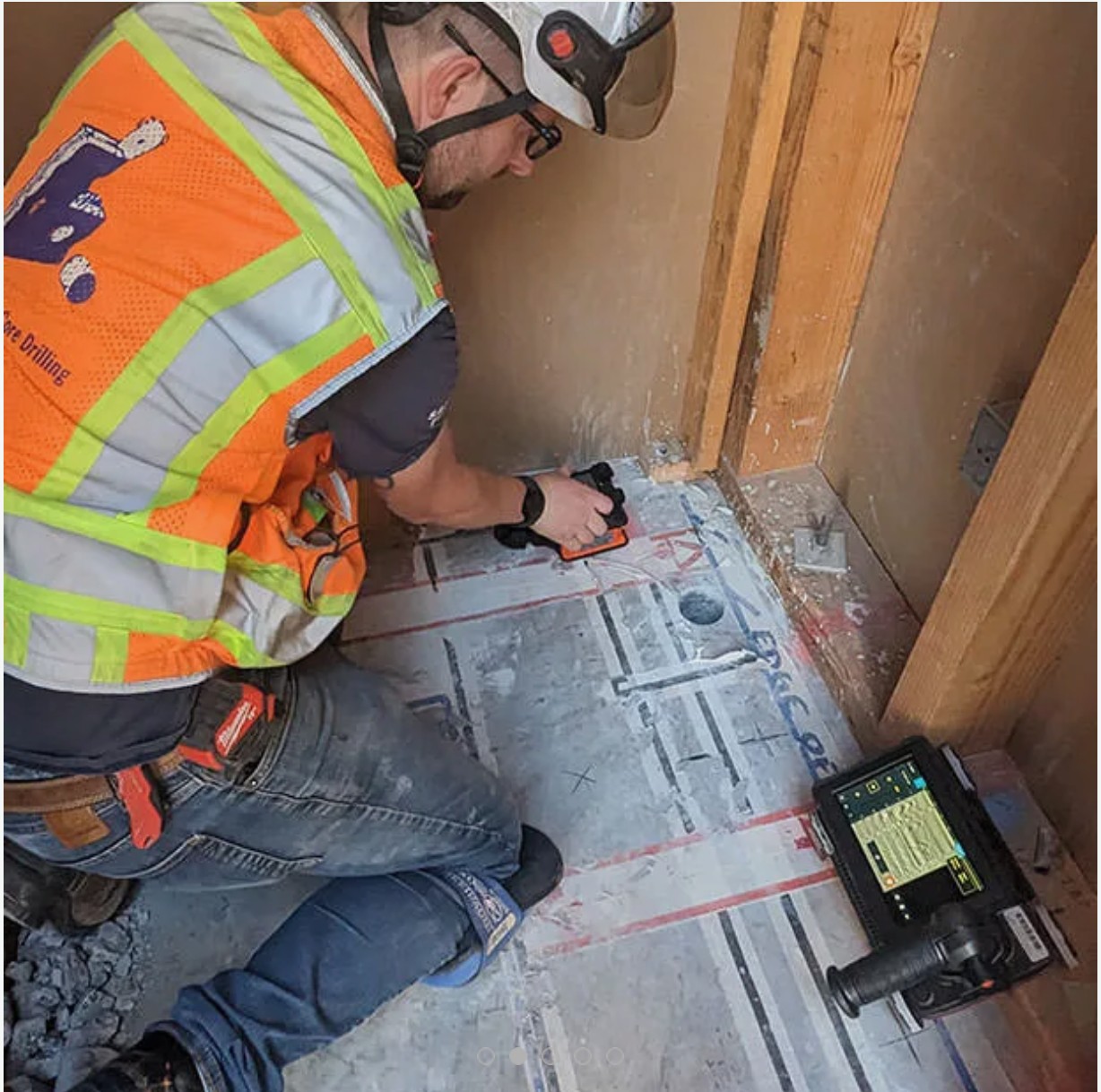
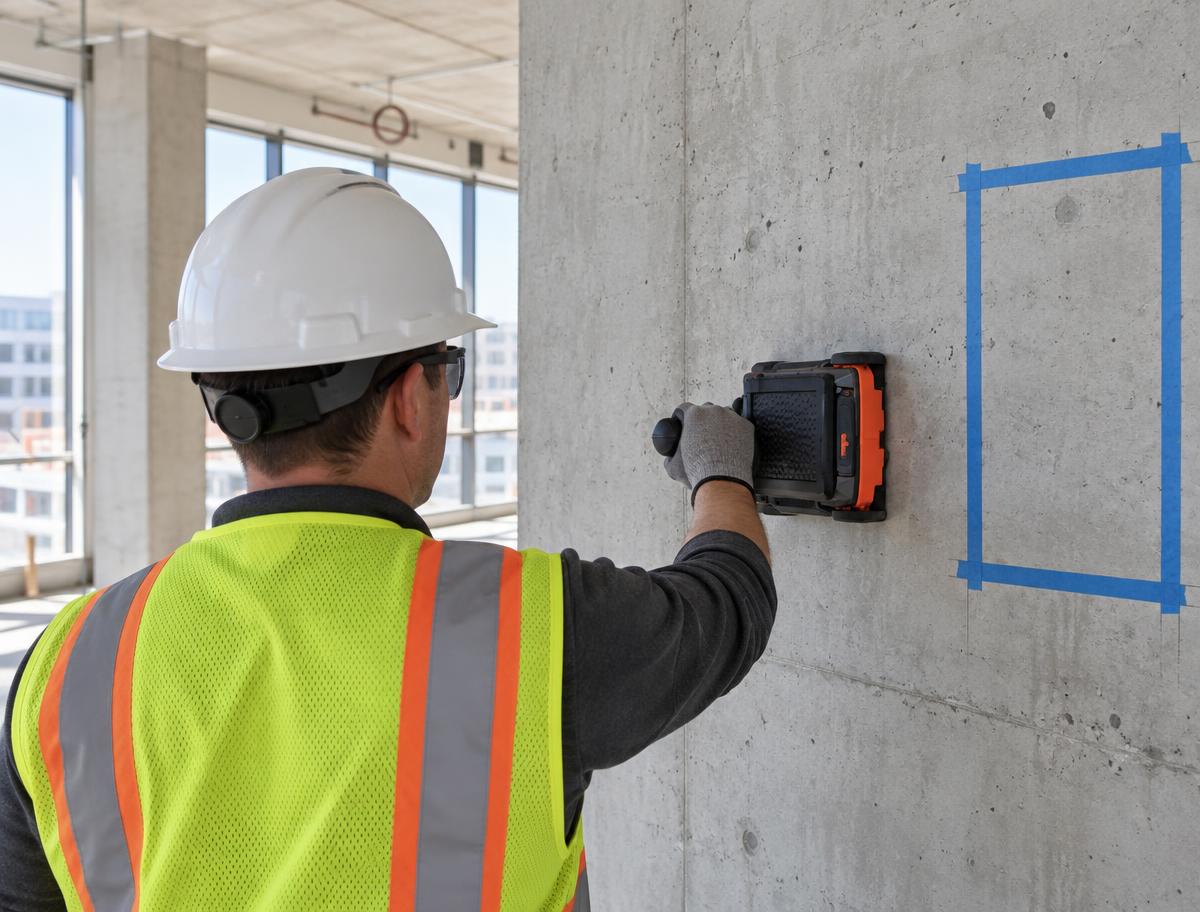
Recon GPR scans concrete structures, elevated decks, slab-on-grade floors, and walls. GPR sends radio pulses into the concrete and reads the reflections from steel, conduit and voids, giving you real-time results with no radiation and access from one side only.
Pre-Core & Pre-Cut Scanning
Scanning at planned core, drill, saw-cut, and anchor locations across elevated decks, slab-on-grade, and concrete walls. We work with your on-site team face-to-face to confirm your layout and clearly mark safe-cut zones directly on the concrete.
PT Cable & Rebar Scanning
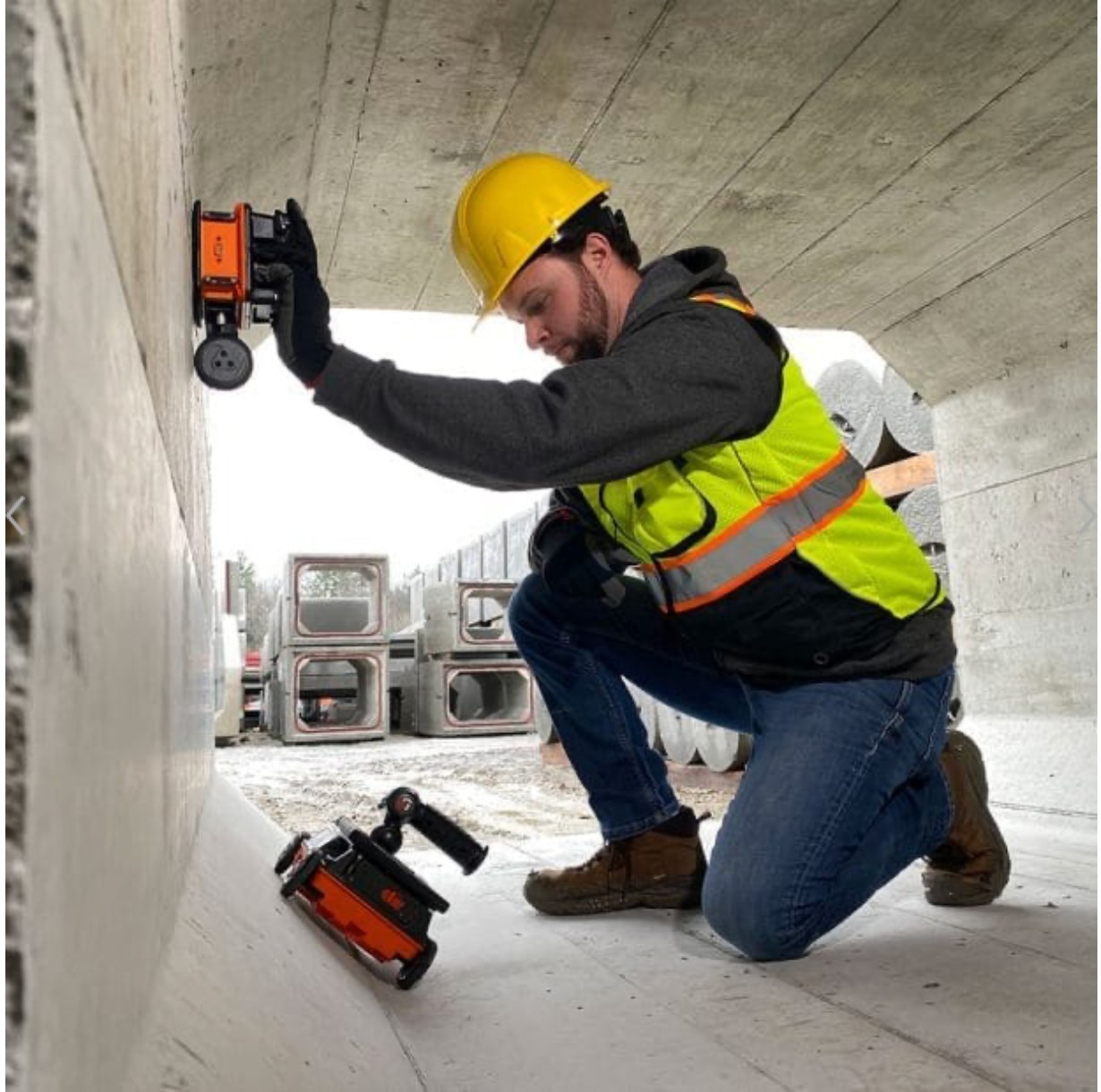
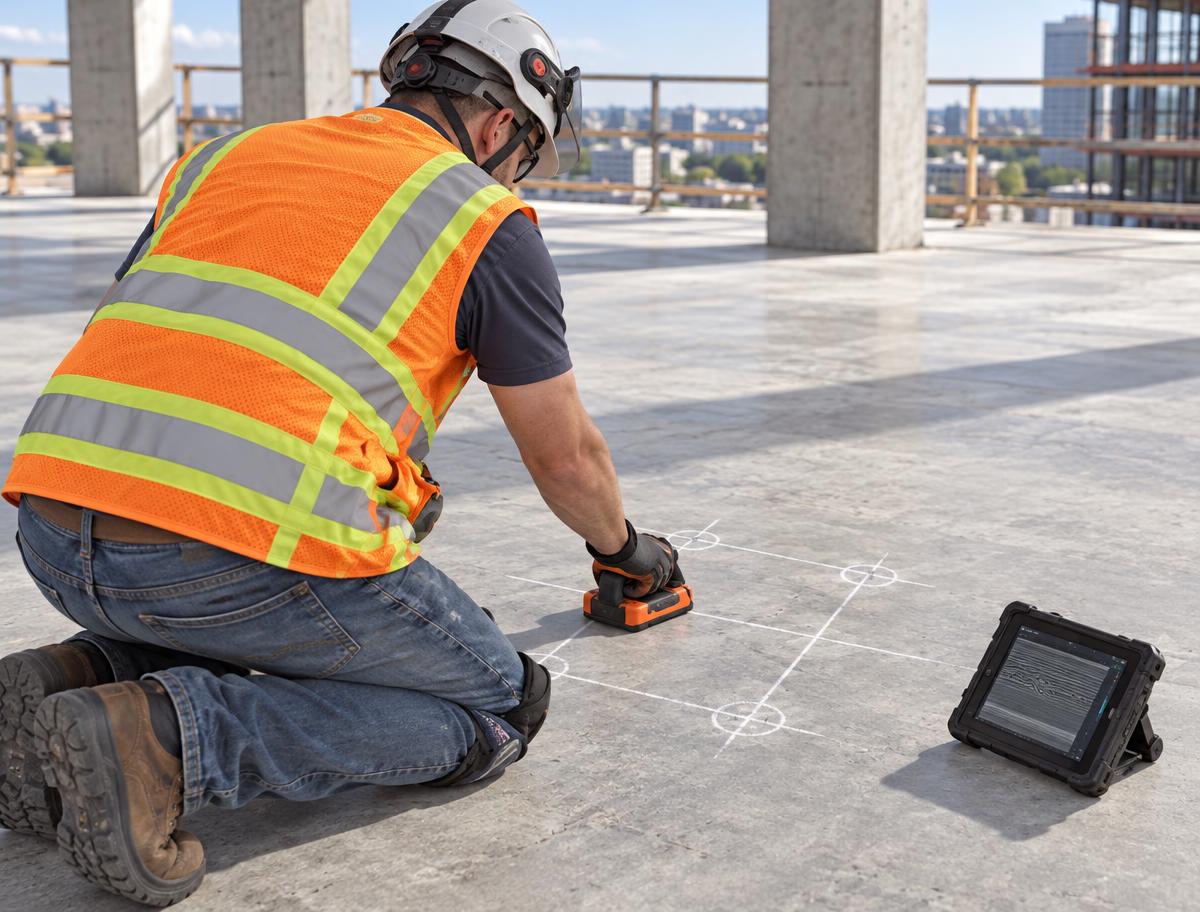
Map tendon paths, post-tension cable bands, and rebar grid spacing with accurate depth estimates. We help your team locate clear windows between reinforcement so you can anchor or core safely without striking structural steel.
Conduit & Pipe Scanning
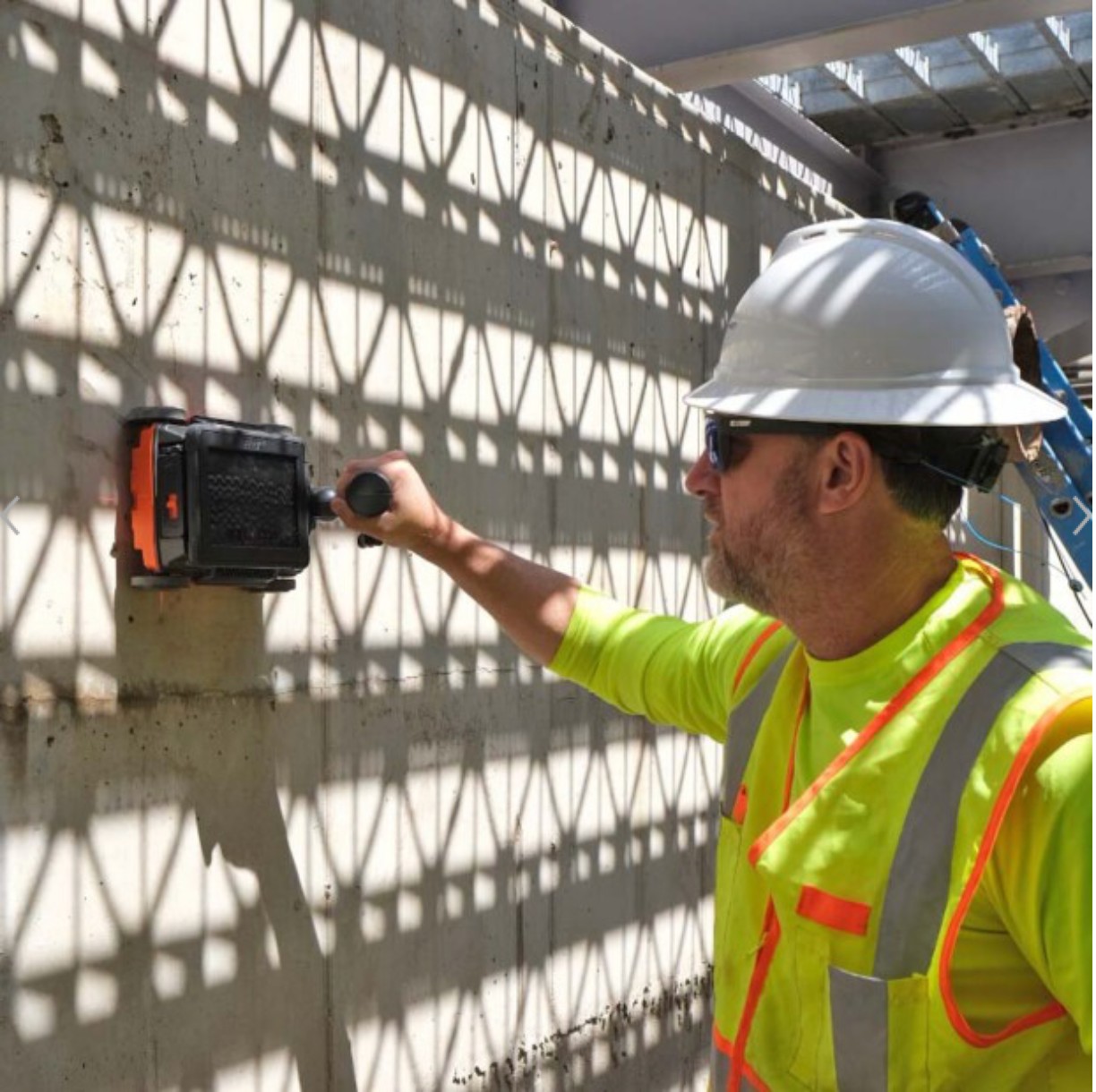
Locate embedded electrical conduit, plumbing lines, radiant heating tubing, and utility runs within concrete slabs and walls before saw-cutting, coring, or trenching.
Void & Slab Thickness Scanning
Measure total concrete slab thickness and detect subsurface voids, honeycombing, or sub-base settlement prior to setting heavy machinery, anchor bolts, or structural overlays.
How we work
Our 5-Step Process
Request & Project Review
Call 720.262.2311 or request a scan online with your site address, concrete type, and work scope. Sharing site photos or structural drawings helps us prepare for your job.
Rapid Scheduling & Dispatch
We schedule your scan quickly, targeting same-day or next-day arrival whenever possible. We offer standard business hours as well as 24/7 emergency and after-hours service.
On-Site Arrival & Scope Confirmation
Our technician checks in with your superintendents or project managers on site to review planned cut locations, structural drawings, and safety requirements before setting up equipment.
Advanced GPR Scanning & Direct Markings
Using cutting-edge GPR equipment, we systematically scan the target area, interpret the subsurface data, and mark findings clearly and directly onto the concrete surface.
On-Site Debrief & PDF Reporting
We walk your team through the physical markings, answer any questions, and confirm safe cut zones. Detailed digital PDF reports are delivered upon request within 24 hours.
Built for All Colorado Construction Professionals
A Partner on Every Type of Project
No GPR job is too small or too far. From a single plumbing core in Denver to a multi-story commercial deck scan in the mountains, Recon GPR is here to support your team with reliable subsurface shallow utility mapping. We cover jobs up and down the Front Range and into mountain communities, operating as a dedicated 3rd-party scanning resource for your project.
- 100% GPR Scanning & Subsurface Locating Specialization
- Full Statewide & Regional Coverage Across Colorado
- Equal Priority for Small Service Calls & Major Commercial Builds
General Contractors & Project Managers
Keep your jobsite schedule on track and protect structural integrity with independent, reliable GPR verification.
Structural Engineers & Architects
Verify rebar cover, slab thickness, and tendon placement with accurate data and digital CAD/PDF layout overlays.
MEP & Trade Subcontractors
Plumbers, electricians, and HVAC installers get precise layout markings to place penetrations safely without hitting live lines or structural steel.
Cutting & Coring Specialists
Execute saw-cuts and core drills backed by 3rd-party scan findings and verified safe zones.
Job by job
How Recon GPR handles every concrete scanning job
Every scan starts with the same question: what could be in the way of this cut, core or anchor? These seven situations show how the scope, site conditions and planned work affect the scan.
| Your situation | What we do | Why it matters | Technician field note |
|---|---|---|---|
| Coring a penetration through a post-tension deck | What we do We scan a grid around each planned core and trace how the tendons drape between columns and beams before marking interpreted targets. PT tendonsBanded cablesGrid scan | Why it mattersA cut tendon can release under tension, so understanding the possible drape path helps the crew review where a core may be placed. | Technician field note Providing PT shop drawings prior to scanning allows our technician to cross-reference tendon drape patterns against radar profiles quickly. |
| Saw-cutting a slab-on-grade for new plumbing trench | What we do We run scan lines along the full cut path and flag radiant tubing, water lines and conduit crossing it. Radiant PEXConduitSlab-on-grade | Why it mattersSeeing what crosses the trench line lets the cutter plan depth and avoid live lines. | Technician field note Snapping a chalk line along the full trench path, not just the ends, lets the technician scan every foot the blade will travel. |
| Anchoring heavy equipment or racking | What we do We locate rebar spacing and approximate cover at each anchor point so the installer can shift holes between bars. Rebar matsCover depthAnchor layout | Why it mattersHitting rebar slows drilling and can weaken the anchor, so small shifts save time. | Technician field note Noting how far each anchor can shift lets the technician find a clear window between bars without a second visit. |
| Drilling into an elevated slab on metal deck | What we do We read the composite deck profile and mark the flutes along with conduit and reinforcing above them. Composite metal deckFlutesWelded wire | Why it mattersDeck profile affects slab thickness at the hole, which changes how deep a core goes. | Technician field note Access to the floor below helps confirm deck profile and where a core will exit the slab. |
| Checking for voids before a repair or overlay | What we do We look for irregular reflections that point to voids, poor consolidation or subgrade washout under the slab. VoidsHoneycombingSubgrade | Why it mattersFinding weak areas early lets the engineer decide on repairs before new loads go on. | Technician field note Agreeing with the engineer on what needs documenting before the scan keeps the PDF report focused and submittal-ready. |
| Tenant improvement in an occupied building | What we do We scan from one side only with radar that emits no ionizing radiation, so nearby tenants and trades stay in place. One-side accessNo radiationOccupied space | Why it mattersKeeping the space open avoids shutdowns that X-ray imaging often requires. | Technician field note Sharing building rules up front (quiet hours, elevator access, check-in contacts) keeps the scan on schedule in occupied spaces. |
| Unclear or stacked targets in a congested bay | What we do We mark uncertain readings as no-cut areas and talk through relocation options before anyone drills. Stacked rebarConduit bundlesNo-cut zone | Why it mattersA cautious mark protects the structure when the signal cannot confirm a clear path. | Technician field note Marking one or two backup locations near a congested bay lets the technician clear an alternative on the same visit. |
Denver & Front Range scanning
Tell Us How We Can Help
Call us today or request a quote online. We will dispatch a qualified technician to your jobsite ASAP to keep your project moving forward safely.
Talk to a technician
Call 720.262.2311Schedule Online- ✓ No ionizing radiation
- ✓ Findings marked on the concrete
- ✓ PDF reports on request
Common questions
GPR scanning FAQs
Is GPR scanning safe to run while other trades are working?
Yes. Ground penetrating radar emits no ionizing radiation, so electricians, plumbers and framers can keep working right next to the scan area. That is the main reason Colorado contractors pick GPR over X-ray on occupied buildings and busy jobsites.
How deep can you actually see into a slab?
Effective scan depth is assessed for each slab. There is no guaranteed depth. Penetration depends on moisture, concrete age and how dense the rebar is, so thick mats or fresh pours can shorten the effective range.
Can GPR tell the difference between PT cables, rebar and conduit?
In most cases, yes. Each target leaves a different signature on the scan, and its pattern, depth and spacing help the technician interpret them.
Elevated decks in Denver high-rises and DTC parking garages often have all three in the same bay, which is why reading the pattern matters more than finding a single reflection.
How targets usually read
- Rebar: Regular, evenly spaced reflections in a grid at a consistent depth.
- Post-tension tendons: Bands or single lines that change depth as they drape between supports.
- Conduit: Isolated runs that often head toward walls, columns or floor boxes.
- Voids: Irregular reflections with no repeating pattern.
If a target is unclear, the technician marks it as a no-cut area and talks through options with your superintendent before anyone drills.
Do I need access to the floor below?
No. GPR works from one side, scanning from the top of a slab or the face of a wall. That keeps things simple on tenant improvements where the floor below is occupied.
What do I get at the end of a scan?
You get clear markings right on the concrete showing interpreted targets and areas to review before cutting. Digital PDF scan summaries with photos are available on request for engineers, project managers or submittals.
Service Area Coverage
Denver Metro to the Front Range
Denver Metro & Front Range: Denver, Denver Tech Center (DTC), Aurora, Lakewood, Centennial, Littleton, Arvada, Westminster, Thornton, Boulder, Longmont, Fort Collins, and Colorado Springs.
I-70 Mountain Corridor: Breckenridge, Vail, Edwards, Frisco, Silverthorne, Keystone, Steamboat Springs, and Aspen.
See coverageTell Us About Your Project
Need fast concrete scanning or subsurface shallow utility mapping? Contact our team today for prompt service across Denver, the Front Range, and the I-70 Mountain Corridor.